
Is Wisdom Tooth Removal Necessary for Everyone?
- Swetha Alahari
- May 11
- 3 min read

Wisdom tooth removal is a common dental procedure, but is it really necessary for everyone? In this FAQ blog, we'll explore the reasons why wisdom teeth may need to be removed and help you understand if it's a procedure you should consider.
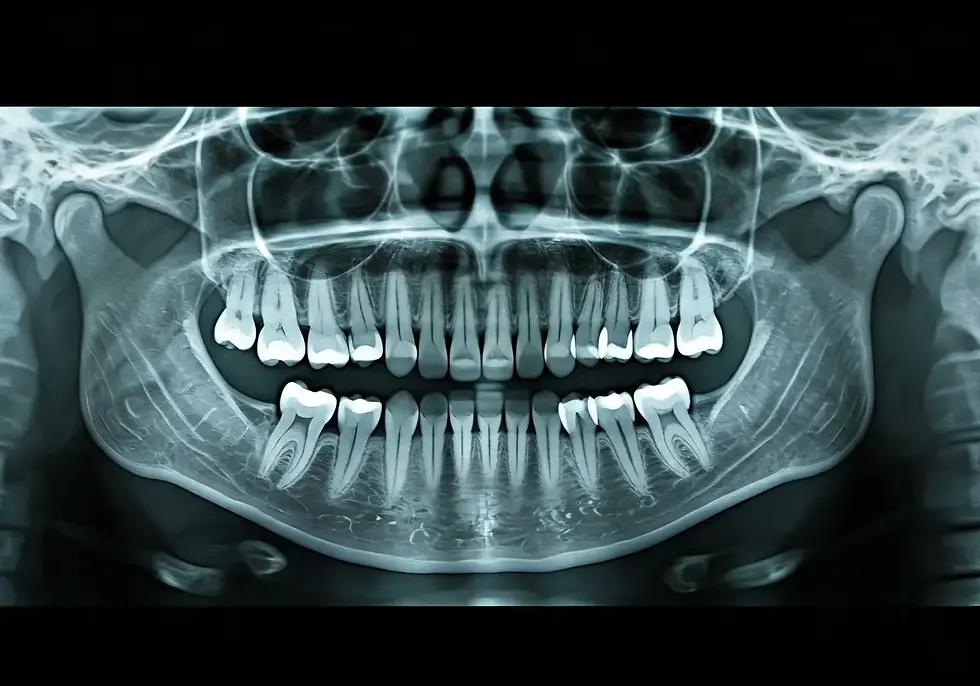
What are Wisdom Teeth?
Wisdom teeth, also known as third molars, are the last set of teeth to emerge in the back of your mouth. They typically appear in your late teens or early twenties. These teeth are known as 'wisdom' teeth because they generally come in at a more mature age.
Historically, our ancestors needed these additional molars to help grind down plant tissue. However, with changes in diet and oral hygiene practices, we no longer require them for survival.
Why Do Wisdom Teeth Need to Be Removed?
Wisdom teeth may need to be removed if they are impacted, causing pain or infection, or if they crowd your existing teeth. They might also be removed if they're difficult to clean and maintain. Impacted wisdom teeth can lead to complications such as cysts or damage to neighboring teeth.
Even in cases where there is no immediate discomfort, dentists may recommend removal to prevent future dental health issues. As the bones in your mouth harden with age, extraction can become more complicated, posing additional risks.
Regular dental check-ups can help identify early signs of potential problems with wisdom teeth, allowing for preventative measures before serious issues develop.
Who is More Likely to Require Wisdom Tooth Removal?
People who have smaller jaws or teeth that are already crowded are more likely to require wisdom tooth removal. However, this isn't always the case, and sometimes removal isn't necessary. The shape and alignment of your jaw play a significant role in determining whether you might face future complications.
If your existing teeth are well-aligned and there is sufficient space in your mouth, your dentist may suggest monitoring your wisdom teeth instead of opting for immediate removal.
What are the Risks of Keeping Wisdom Teeth?
Keeping wisdom teeth can lead to problems like pain, cysts, cavities, and gum disease. Regular dental visits can help keep these issues in check. Oral health complications such as infections or damage to surrounding teeth can develop if problematic wisdom teeth are left untreated.
Furthermore, partially erupted wisdom teeth can create hard-to-reach spaces that harbor bacteria, potentially leading to gum infections.
How to Determine if You Need Wisdom Tooth Removal
Consult with a dentist or oral surgeon who can evaluate your dental health, take X-rays, and discuss any discomfort or pain you're experiencing to determine the best course of action. They can assess whether your wisdom teeth are at risk of becoming problematic.
Your dentist will examine your mouth and the alignment of your teeth, possibly recommending removal if they predict future complications. This assessment often takes into account your age, overall dental health, and the condition of your other teeth.
Making an informed decision involves understanding the pros and cons of removing versus keeping your wisdom teeth. Discuss these thoroughly with your dental professional to ensure that you choose the best option for your specific dental health needs.
Making the Right Decision for Your Wisdom Teeth
In conclusion, wisdom tooth removal may not be necessary for everyone. It's important to have a dental professional assess your unique situation and provide advice based on your specific needs. Understanding the potential issues and discussing them with your dentist can help you make a well-informed decision.
To schedule an appointment with us, call 7780883880.


Comments