
How Can Preventive Dental Practices Improve Oral Health for All Ages?
- Swetha Alahari
- Aug 3
- 3 min read

Preventive dental practices are key to maintaining excellent oral health, no matter your age. From toddlers to seniors, everyone benefits from habits and routines that focus on preventing dental issues before they arise. Let's dive into how these practices can enhance oral health for individuals across different age groups.
Why Oral Hygiene Matters
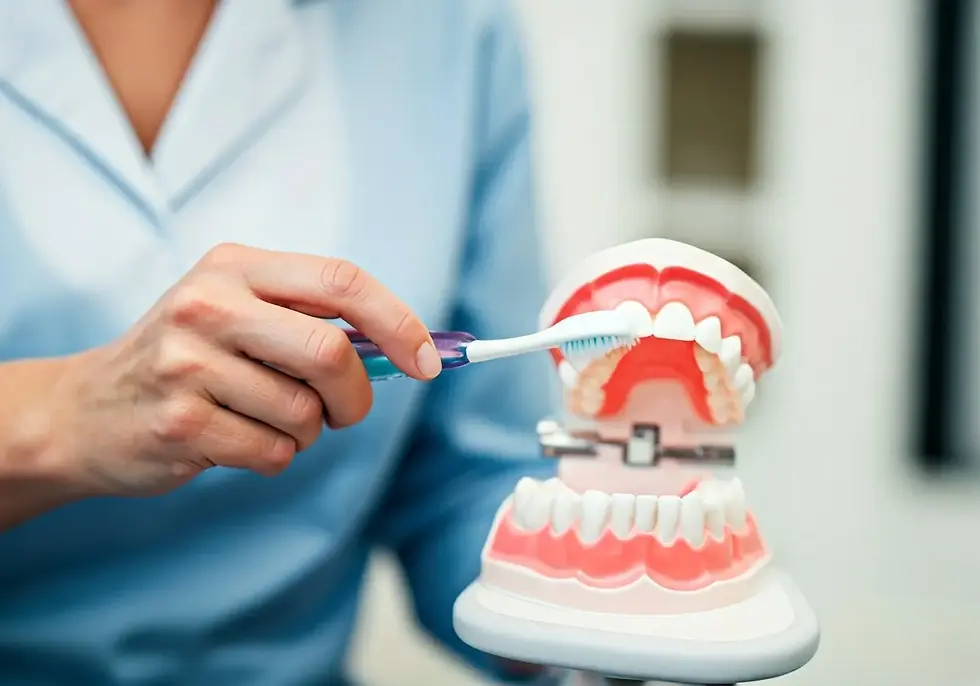
Good oral hygiene is the foundation of preventive dental care. It helps to prevent cavities, gum disease, and other oral health problems, which can significantly impact overall well-being. Not only does maintaining a clean mouth prevent discomfort and pain, but it also plays a role in preventing other systemic health issues, as research has linked oral health to conditions like heart disease and diabetes.
The mouth can be a gateway to understanding one's overall health. For instance, a sudden occurrence of gum disease might signal underlying issues such as diabetes. Therefore, keeping up with oral hygiene practices not only guards the teeth but can also be a precursor in identifying other health problems.
Establishing Early Habits in Children
Starting preventive care at a young age helps children develop lifelong habits. It's never too early to start teaching kids about the importance of brushing and flossing. Many parents find using fun tools like colorful toothbrushes and flavored toothpaste encourages their children to engage more actively in the process.
A simple and enjoyable routine can help children monitor their dental regimen. For instance, implementing a reward system for consistent brushing can motivate young ones to take the practice seriously. Additionally, regular dental check-ups from an early age familiarize kids with the dentist, thereby reducing anxiety and fostering positive attitudes toward dental care.
The Role of Nutrition and Diet
A balanced diet is vital for dental health. Foods rich in calcium and phosphorus, like dairy products and nuts, strengthen tooth enamel. Meanwhile, fruits and vegetables, particularly those high in fiber, help scrub teeth clean and promote saliva production, which naturally protects the mouth by neutralizing acids formed by bacteria.
Excessive sugar intake can lead to tooth decay, so it's essential to manage consumption. Swapping sugary snacks for healthier alternatives like fresh fruit not only benefits your teeth but can improve overall health. Staying hydrated is equally important as water helps in the production of saliva, promoting a cleaner mouth and flushing out food particles that can cause cavities.
Regular Dental Visits: A Necessity
Scheduling regular check-ups with your dentist is a crucial part of preventive care. Professional cleanings effectively remove plaque and tartar that brushing alone might miss, significantly reducing the risk of cavities and gum disease. Regular visits also allow dentists to catch early warning signs of potential issues, providing a chance to address and mitigate them before they escalate.
Seeing a dentist at least twice a year can be likened to routine maintenance for your car. Consistent check-ups ensure that minor issues are addressed before they turn into major, more expensive problems. Furthermore, dentists can offer personalized advice on improving daily dental routines based on individual needs.
Adapting Preventive Practices for Seniors
As we age, our dental needs change and require specific attention. Seniors often face unique challenges such as dry mouth and increased tooth sensitivity. Adjusting dental care routines to accommodate these changes is crucial for maintaining good oral health. Using a moisturizing mouthwash and toothpaste designed for sensitive teeth can significantly improve comfort levels for seniors.
Preventive dental practices should also incorporate regular professional evaluations to address dentures and gum health. Seniors might experience bone loss affecting how dentures fit, potentially leading to sores and infection if not correctly managed. Routine check-ups with adjustments and relining of dentures ensure a comfortable fit and prevent unnecessary oral issues.
Embrace Preventive Care for Lifelong Oral Health
Incorporating preventive dental practices into daily routines is essential for maintaining optimal oral health at every stage of life. By adopting regular habits such as brushing, flossing, and professional dental visits, individuals can prevent a range of dental issues, ensuring healthy smiles for years to come.


Comments