
Navigating Pediatric Dental Emergencies: A Parent's Guide
- Swetha Alahari
- Aug 11
- 4 min read

Dental emergencies can be daunting, especially when they involve your child. When unexpected oral issues arise, knowing how to respond can make all the difference in safeguarding your child's smile and alleviating potential stress. In this guide, we'll explore the steps you can take to handle pediatric dental emergencies with confidence and care.
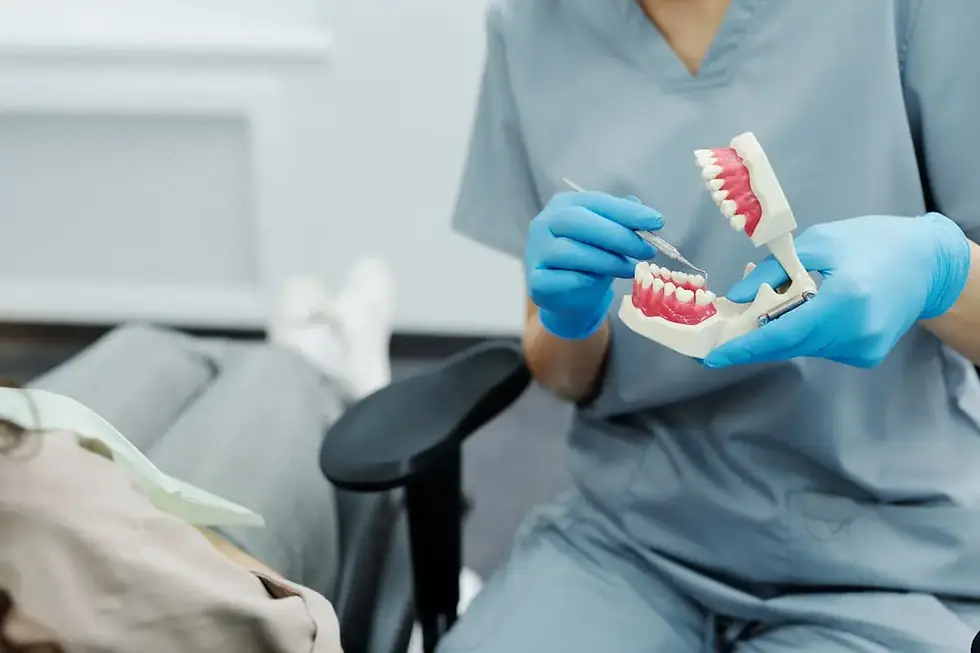
Understanding Common Pediatric Dental Emergencies
From toothaches to knocked-out teeth, pediatric dental emergencies come in various forms. Understanding the most common types can help you evaluate the situation and take timely action.
Toothaches are perhaps the most common dental issue children experience. While they can sometimes be due to harmless reasons like new teeth coming in, persistent pain often indicates issues such as cavities or even tooth decay. Immediate gentle flossing and rinsing can sometimes dislodge trapped food particles causing discomfort. Knowing the difference between a mild toothache and one that requires immediate attention can spare your child unnecessary distress and potentially extensive dental work.
In more severe cases, a child's tooth may be knocked out entirely during play or sports activities. While this can be alarming, prompt action is essential. If the tooth is permanent, handling it correctly by the crown and rinsing it gently—never scrub the root—can make a difference. It’s crucial to try to place the tooth back in its socket if possible or to preserve it in milk and seek professional dental help urgently.
Immediate Steps to Take for Different Emergencies
Knowing the right immediate steps for each type of dental emergency can prevent further damage and pain. We'll cover quick actions for situations like broken teeth, cuts, and more.
When faced with a chipped or broken tooth, keeping your child calm is the first step. Cleaning the mouth with warm water and applying a cold compress outside the mouth can reduce swelling. Finding those broken pieces to bring to the dentist can also be advantageous in reconstructing the tooth.
For oral soft tissue injuries, such as bites or puncture wounds, rinsing the mouth with a mild salt-water solution can prevent infection. Using a gauze or tissue to apply gentle pressure can stop the bleeding. If bleeding persists for more than 10 minutes, professional medical attention is warranted. Promptly acknowledging the pain while soothing it with a cold compress shows your child that you’re in control and care about their wellbeing.
When to Call the Dentist or Visit the Emergency Room
Not every dental emergency requires a trip to the emergency room. Learn how to assess the severity of the situation and decide whether a call to your dentist is sufficient or if a visit to the ER is needed.
A key distinction to make is understanding when a dental issue trumpets itself as an emergency. Rapid growing swelling with fever might indicate the presence of an infection, necessitating a quick ER visit. Conversely, minor injuries such as simple mouth soreness after losing a tooth can typically be managed with pediatric Tylenol and a soft diet until a dental appointment is feasible.
Creating a Dental Emergency Kit for Your Family
Preparation is key to handling emergencies with ease. Discover the essential items to include in a dental emergency kit that you can keep at home or take on the go.
An effective dental emergency kit includes items like gauze, saline solution, a small container with a lid, and antibiotic ointment. These simple items can sometimes make a split-second difference. Including a mini flashlight can help you get a better look at the injury site, and a contact card with your dentist's information ensures you always remain one step ahead.
This kit isn't a replacement for professional care, but a supplement to help you handle the initial chaos of a dental emergency until you can see your dentist. Tailoring your kit specifically to your children's activities can make it even more effective, perhaps including a mouthguard for the little sports superstar in your family.
Preventing Pediatric Dental Emergencies
While not all emergencies can be avoided, taking proactive measures can significantly reduce the risk. Here are some tips to help prevent dental emergencies for your little ones.
Encouraging proper oral hygiene from a young age plays a significant role in preventing dental issues. Teach your child to brush twice a day and floss regularly. Regular dental check-ups are not just to clean the teeth, but they also provide an opportunity for the dentist to spot potential problems before they escalate.
Additionally, promoting the use of protective gear during sports activities can shield your child from dental trauma. Mouthguards are especially pivotal—ensuring a custom fitted mouthguard is worn can prevent many accidents. Safety does not end there; childproofing your home to prevent falls and keeping hazardous materials out of reach removes many potential threats to your child's dental health.
Be Prepared for Any Dental Situation
Dental emergencies can occur at any time, but with the right knowledge and preparation, you can protect your child's oral health while minimizing distress. Remember to stay calm and follow the appropriate steps for each situation. With this guide, you're equipped to handle pediatric dental emergencies with assurance and provide your child with the best care possible. For more comprehensive support, visit our homepage.
For Appointment, Call +91 7780783880 | +91 9160680834.


Comments