
10 Myths About Nitrous Oxide Sedation in Dentistry Debunked
- Swetha Alahari
- Aug 28
- 5 min read

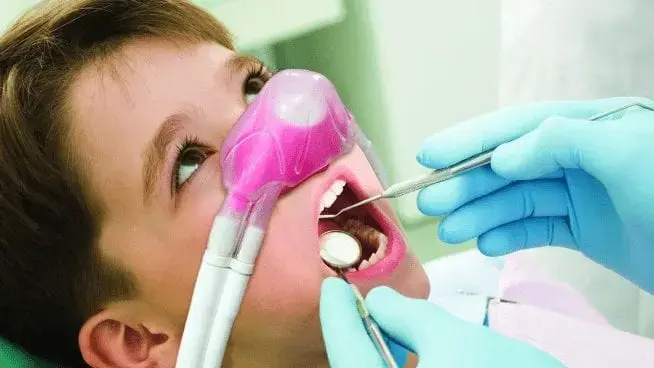
Nitrous oxide, often known as laughing gas, is a popular sedation method in dentistry. Yet, despite its widespread use, many misconceptions surround its safety and effectiveness. In this blog, we'll debunk some of the most common myths about nitrous oxide sedation and provide you with the facts you need to make informed decisions about your dental care.
1. Nitrous Oxide Sedation Is Unsafe
Nitrous oxide is actually one of the safest sedatives used in dental procedures. It has been employed in dentistry for several decades, illustrating a long-standing track record of safety and efficacy. When administered by a trained professional, the risk to patients is minimal, primarily because the concentration and exposure are carefully controlled. Patients breathe in a mixture of nitrous oxide and oxygen, and one of the key safety features is that the effects of nitrous oxide sedation are quickly reversible by simply stopping the inhalation and allowing the patient to breathe oxygen for a few minutes.
Moreover, nitrous oxide sedation is highly controllable. Its effects kick in almost instantly, permitting the dental team to adjust the concentration to maintain optimal comfort levels. This degree of control ensures it is as safe as possible for various patient needs and health conditions. Therefore, under professional supervision, nitrous oxide is not only safe but is also a preferred sedation method for procedures requiring the patient to remain conscious and capable of responding to commands.
2. It Will Make Me Laugh Uncontrollably
The nickname 'laughing gas' is a bit of a misnomer when it comes to dental sedation. While nitrous oxide can induce a feeling of euphoria and induce relaxation, it typically does not lead to episodes of uncontrollable laughter. Instead, patients describe a state of calmness and wellbeing that helps them manage the stress or anxiety associated with dental visits. This is precisely why nitrous oxide is favored over alternatives for patients who fear dental work or have a sensitive gag reflex.
It's interesting to note that, historically, the term 'laughing gas' emerged from its use in recreational settings in the 18th and 19th centuries, where it was used in social gatherings to provoke laughter. However, in a clinical dental setting, the dosage and environment are very different, allowing patients to feel relaxed without losing control over their emotions and behaviors.
3. It Takes a Long Time to Wear Off
A significant advantage of using nitrous oxide sedation in dentistry is its rapid onset and equally swift cessation of effects. Patients often express concern about lingering drowsiness post-procedure. However, one of the attributes that makes nitrous oxide attractive is its quick recovery time. The gas is rapidly expelled from the body once inhalation stops, and patients usually return to an alert state within minutes. This means they can drive themselves home shortly after their appointment, assuming they feel confident to do so.
Furthermore, the ability to adjust its effects swiftly provides dentists with great flexibility when it comes to sedation management. If the levels need to be increased or decreased during a procedure to enhance patient comfort, these adjustments can be made quickly and safely, ensuring that the experience remains as stress-free as possible.
4. Only Adults Can Use Nitrous Oxide
Contrary to some beliefs, nitrous oxide sedation is not restricted to adults. In fact, it is widely recognized as a safe option for children undergoing dental work. Dental anxiety is not age-specific and can affect children significantly, sometimes leading to avoidance of necessary dental treatments. Nitrous oxide offers a safe solution that helps pediatric patients stay calm during treatment, enabling the dentist to complete the procedures smoothly and effectively.
Administering nitrous oxide to children requires specialized training, as dental practitioners calibrate dosages to a child's physiology while continuously monitoring their reactions. It is one of the mildest forms of sedation used in pediatric dentistry, allowing for a positive experience for both the child and their parents and reducing the likelihood of difficulty in future dental visits.
5. It Completely Numbs Pain
A common misconception is that nitrous oxide sedation serves as a painkiller. In reality, while it does an excellent job in managing anxiety and discomfort, it does not possess any pain-relieving properties. This sedation technique ideally pairs with local anesthetics, which are used to block pain sensations during dental procedures. The primary role of nitrous oxide is to alleviate anxiety, helping patients feel at ease so that anxiety does not exacerbate their perception of pain during dental work.
By reducing stress and anxiety levels, nitrous oxide complements the local anesthesia, making the overall dental experience more bearable. Patients often feel that time passes more quickly and experience a significant reduction in discomfort, even though the actual sensation of pain is managed by other medications.
6. Allergies to Nitrous Oxide Are Common
Allergic reactions to nitrous oxide are exceedingly rare, making it a reliable choice for the majority of patients. Its inertness prevents it from usually causing allergenic responses that are more common with other sedatives. As such, most individuals including those with a history of allergic reactions to other medications can typically tolerate nitrous oxide without incident.
7. It Causes Memory Loss
Concerns about memory loss from nitrous oxide sedation are often exaggerated. While some patients report a slightly dreamy state or a marginal disconnected feeling during the procedure, full memory retention is normal once the effects subside. Importantly, unlike deeper sedation forms, nitrous oxide does not inhibit consciousness to the point of inducing amnesia. This allows patients to recall their experience, which can be beneficial for post-procedure discussion and planning further dental care steps.
8. Nitrous Oxide Is Only for Major Procedures
The versatility of nitrous oxide sedation extends beyond major dental operations. Its ease of use and effectiveness make it suitable for minor procedures as well. Dentists may use it for early-stage interventions, cleanings for patients with extreme anxiety, or situations where traditional local anesthetics might need a boost in effectiveness. Thus, it provides a level of comfort that helps in reducing patients' apprehensions irrespective of the procedure's gravity.
9. Using Nitrous Oxide Leads to Addiction
One concern that surfaces occasionally is the potential for addiction to nitrous oxide. However, when used within a controlled medical setting, such risk is practically nonexistent. Unlike recreational settings where misuse can occur, professional dental environments maintain stringent controls over dosage and frequency, ensuring that any addictive traits of nitrous oxide are never manifested.
10. The Sedation Has Lingering Side Effects
Final myths lie in the fear of prolonged side effects from nitrous oxide sedation. The reality is that side effects are minimal and transient. By design, nitrous oxide permits the patient to return to their normal state promptly after cessation. Any grogginess or sensations of floating vanish quickly, allowing individuals to resume typical activities almost immediately, making it one of the most pragmatic sedation options available.


Comments