
What is the Lifetime of Dental Implants?
- Swetha Alahari
- Aug 11
- 3 min read

Dental implants are a popular solution for replacing missing teeth, offering durability and a natural appearance. However, a common question arises: how long do they last? In this blog, we'll explore the factors that influence the longevity of dental implants and what you can do to ensure they last as long as possible.
Understanding the Basics of Dental Implants
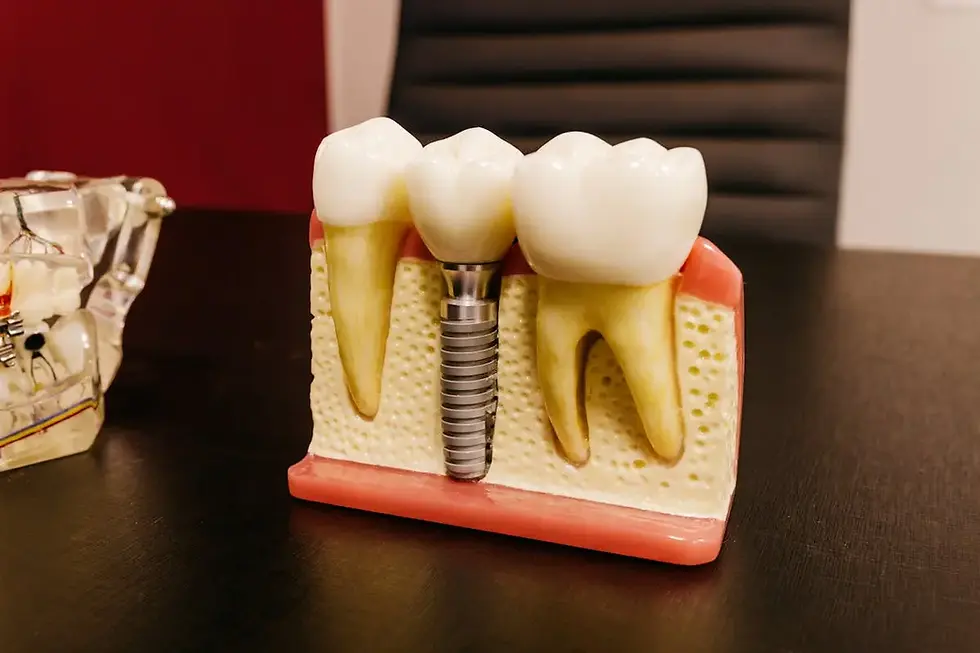
Dental implants are artificial tooth roots, usually made of titanium, that provide a strong foundation for fixed or removable replacement teeth. They're an excellent option for people who have lost teeth due to injury, periodontal disease, or other reasons.
Unlike dentures and bridges, dental implants are designed to fuse with the jawbone over time in a process called osseointegration. This not only makes them incredibly stable and durable but also helps preserve bone health, preventing the bone loss that often accompanies tooth loss.
The process of getting dental implants typically involves several stages, which may include a consultation, the placement of the implant, a healing period, and finally, the attachment of the prosthetic tooth. Because of this multi-step process, it's important to work closely with a qualified dental professional who can manage each stage effectively.
Factors Affecting the Longevity of Dental Implants
Several factors can influence how long dental implants last, including the quality of the implant, the skill of the dentist, and the patient's overall health and lifestyle habits.
High-quality dental implants made from biocompatible materials tend to last longer. A study has shown that implants with rough surfaces integrate with the bone more effectively, which could improve both success rates and longevity. Additionally, the experience and expertise of your dental surgeon play a critical role in the success of the implants.
Certain lifestyle factors and health conditions can also affect the longevity of dental implants. For instance, smoking and uncontrolled diabetes can slow healing and increase the risk of infection, potentially shortening the lifespan of the implants. Therefore, managing these conditions effectively is essential for maintaining implant health.
The Role of Oral Hygiene
Proper oral hygiene is crucial for the success and longevity of dental implants. This means brushing and flossing regularly and visiting your dentist for check-ups and cleaning.
Plaque build-up around your dental implants can lead to peri-implantitis, a condition similar to gum disease, that affects the surrounding tissue and can lead to implant failure. Regular dental cleanings and diligent personal oral hygiene can help prevent this condition.
Using interdental brushes and water flossers can be especially effective in cleaning around implants where bacteria might otherwise hide, minimizing the risks associated with plaque accumulation.
Choosing the Right Dental Professional
Selecting a skilled and experienced dental professional can significantly impact the success rate and longevity of your dental implants. Look for dentists with specialized training in implantology.
It's a good idea to schedule consultations with multiple practitioners to find one whose approach and experience align with your needs. Don't hesitate to ask about the dentist's success rates and specific experience with dental implants to ensure you receive the best care possible.
Choosing a dentist within a reputable practice can also offer added benefits. Practices that provide comprehensive care tend to have the necessary resources and professional connections that might be required during more complex implant cases.
Monitoring and Maintenance of Dental Implants
Regular dental visits for professional cleanings and check-ups are vital to monitor the condition of your implants and address any potential issues early on.
Annual dental exams can catch early signs of potential issues, enabling timely interventions before problems escalate. Furthermore, your dentist can provide personalized advice on maintaining your implants based on current scientific insights and your unique dental profile.
Technological advancements, such as digital imaging and 3D scanning, have made it easier to monitor the health of your implants with more precision, ensuring any needed adjustments or treatments are handled promptly.
Ensuring the Longevity of Your Dental Implants
In conclusion, dental implants are designed to be a permanent solution, with many lasting a lifetime with proper care. By considering factors like quality, placement, and personal health, along with maintaining a strong oral hygiene routine, you can significantly prolong the life of your dental implants. Consult with your dentist regularly to catch any potential issues early and keep your smile bright and healthy.
Schedule a Discovery Call with us Today!
For Appointment, Call +91 77807 83880 | +91 91606 80834.


Comments